Brakes
& rotors.
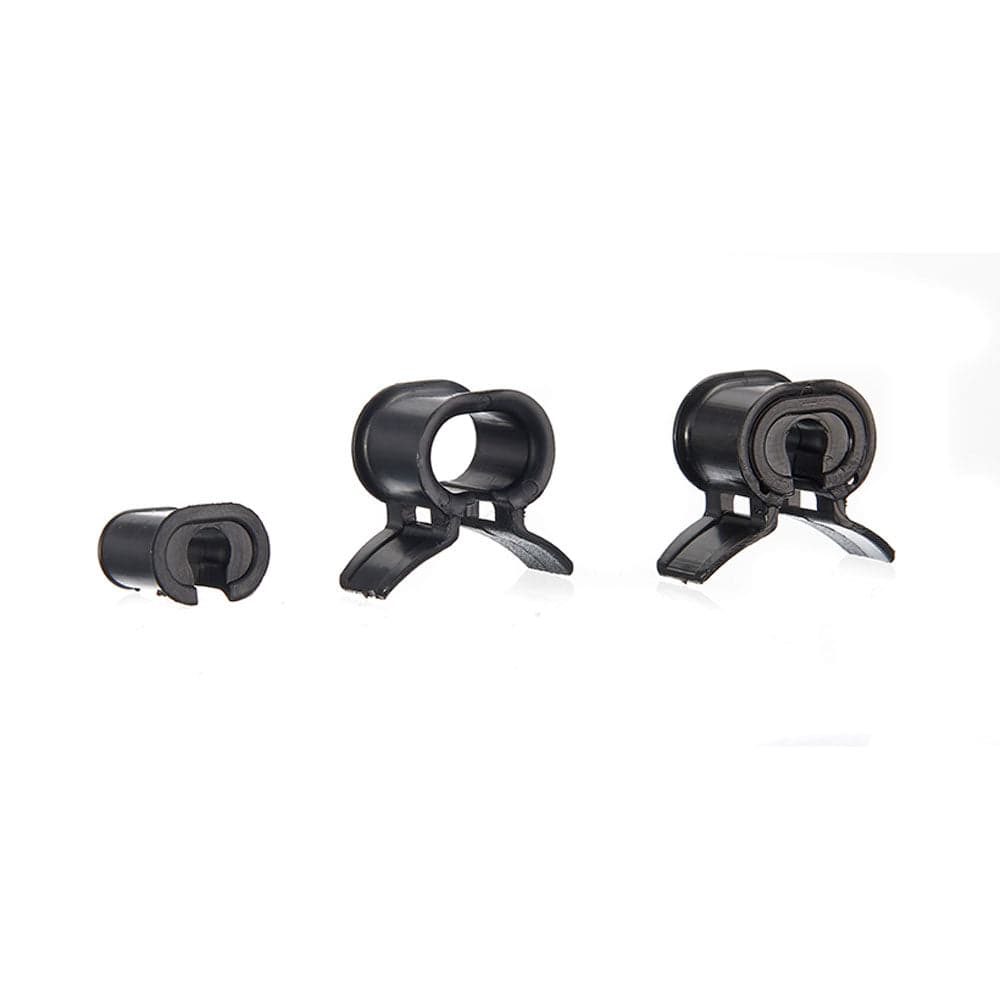
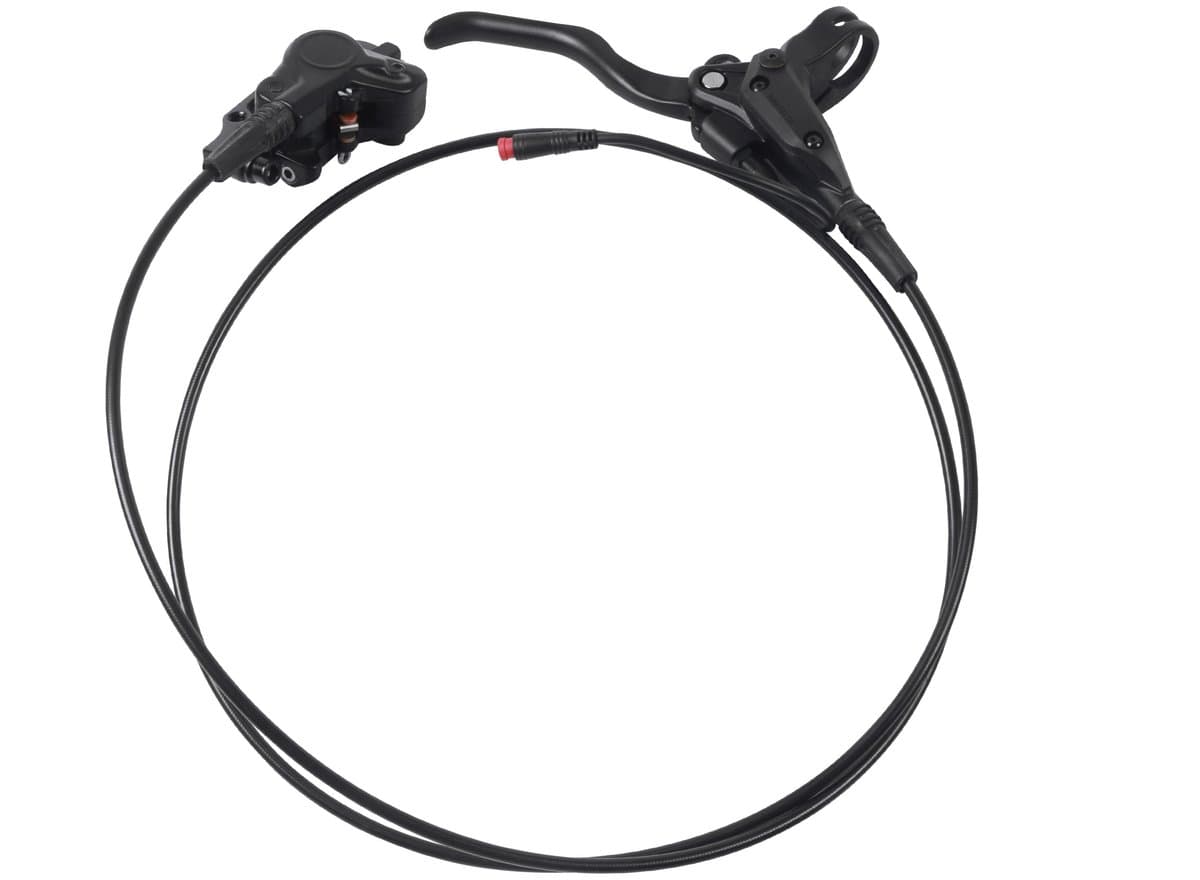
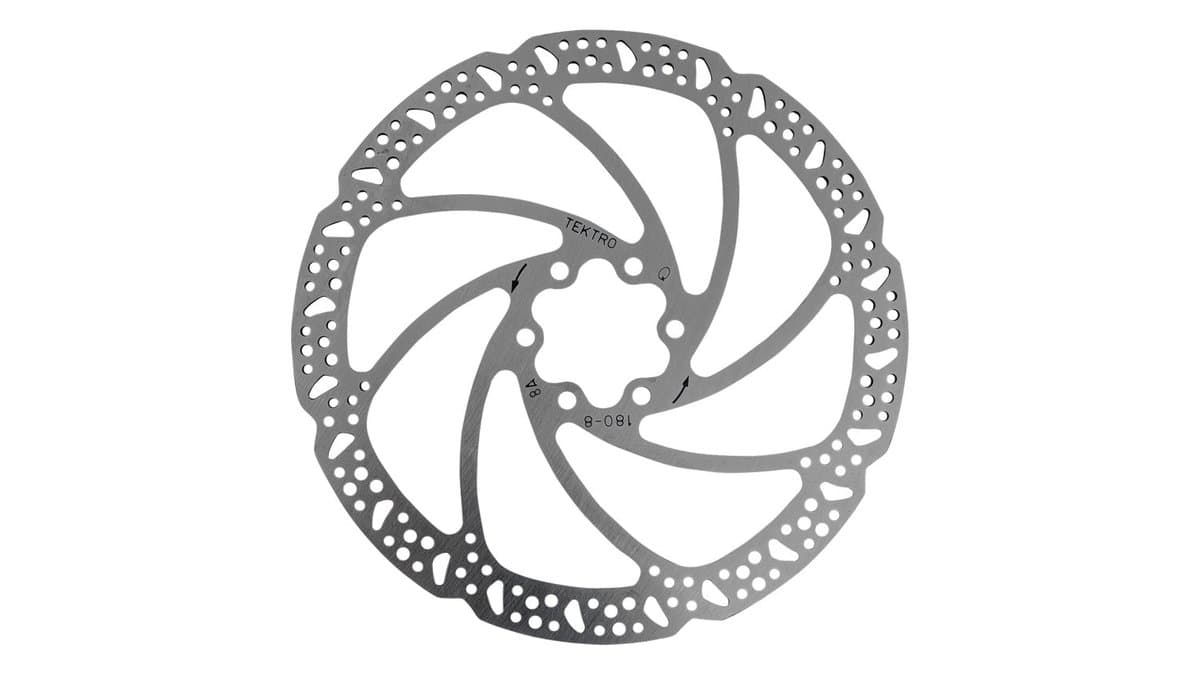
Brake pads, rotors, calipers, and bleed kits.
How to pick the right pack.
A 4-step shortlist that gets you out of the shop with the right battery. Skip steps and you'll be back in a week.
Hydraulic or mechanical?
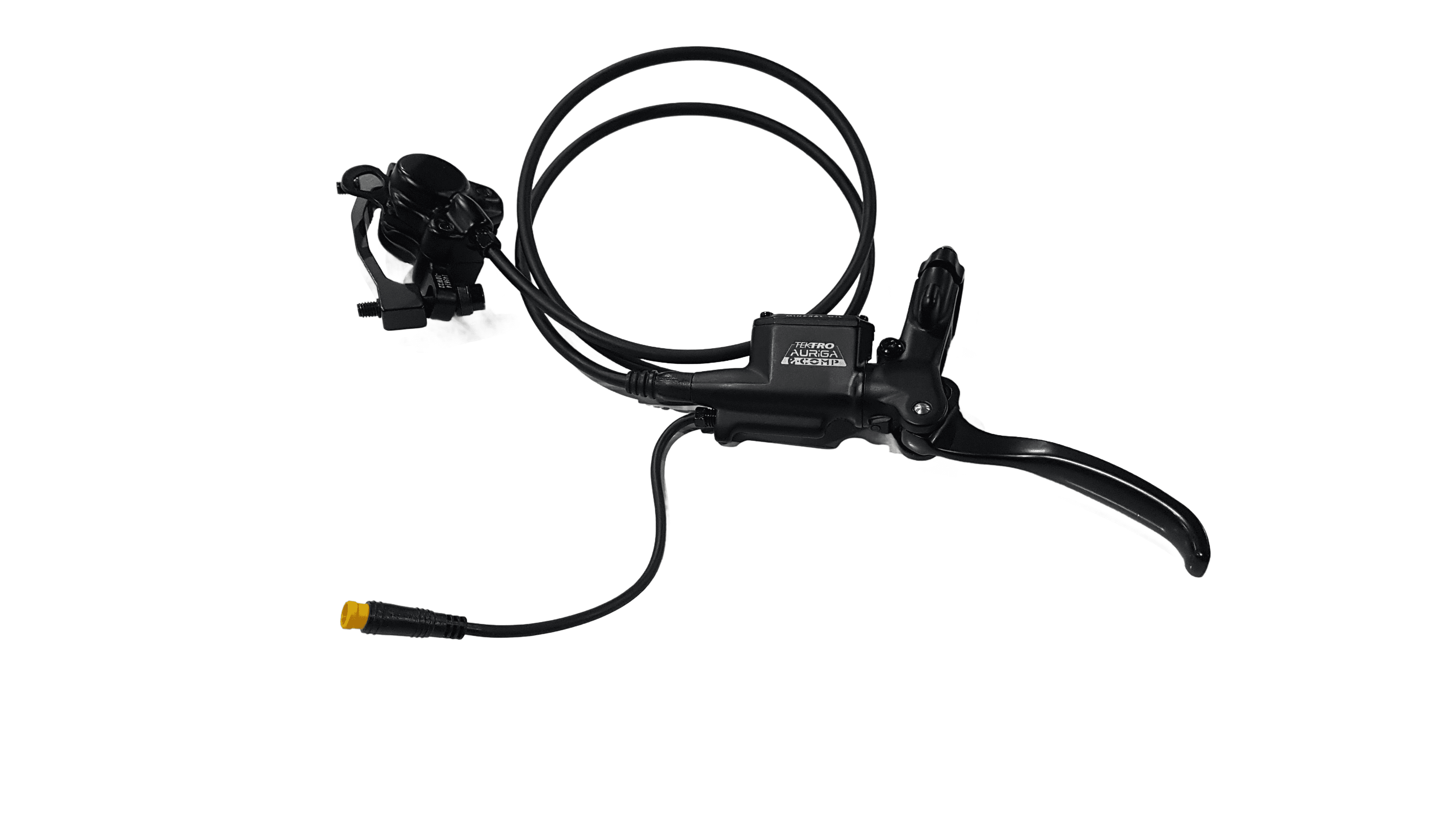
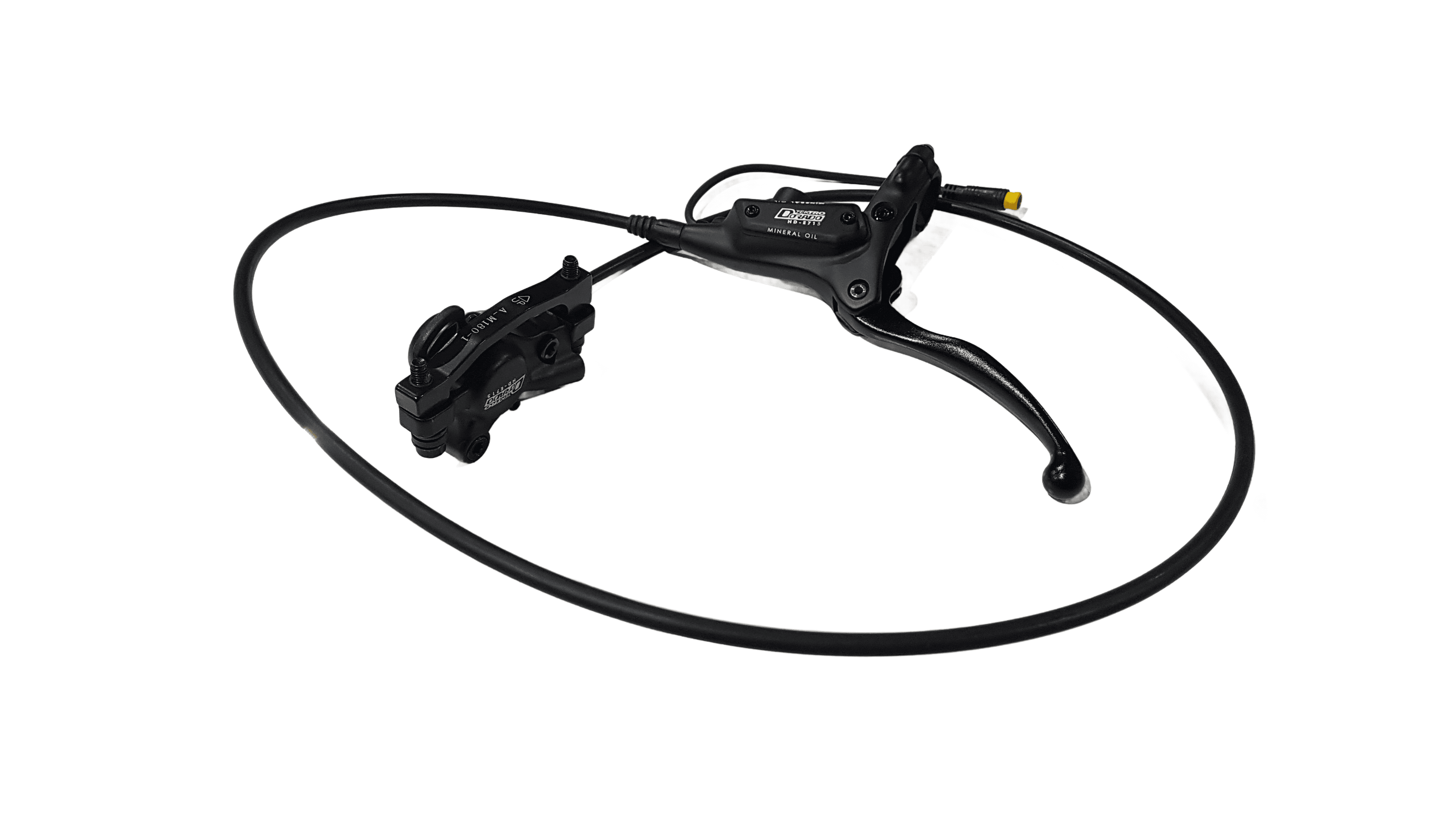
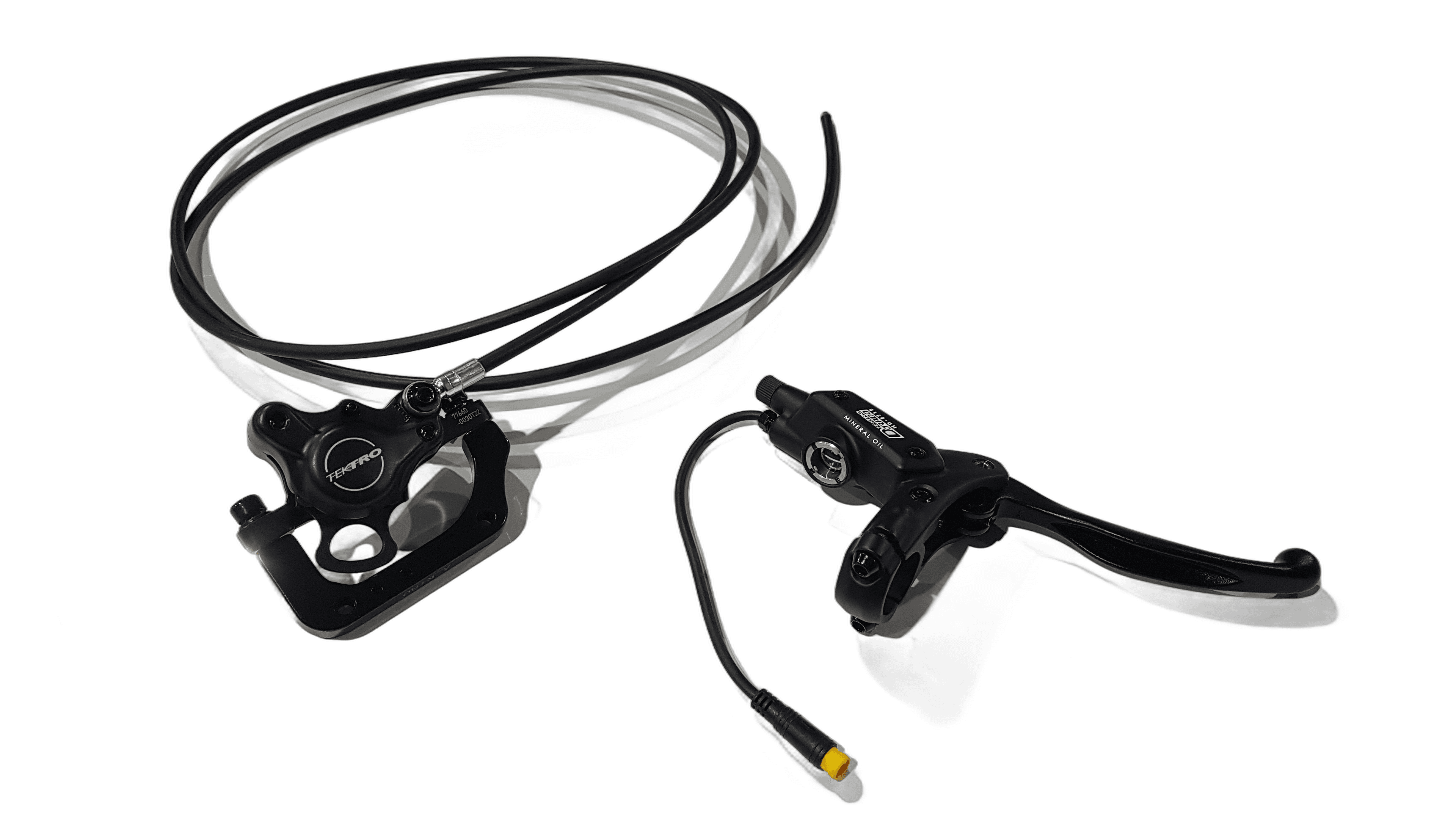
Hydraulic = better stopping power, self-adjusting, mineral or DOT fluid, more expensive. Mechanical = cable-pull, cheaper, no bleed required. eBikes need hydraulic — the speed and weight demand it.
Hydraulic vs mechanical ↓Rotor size matters.
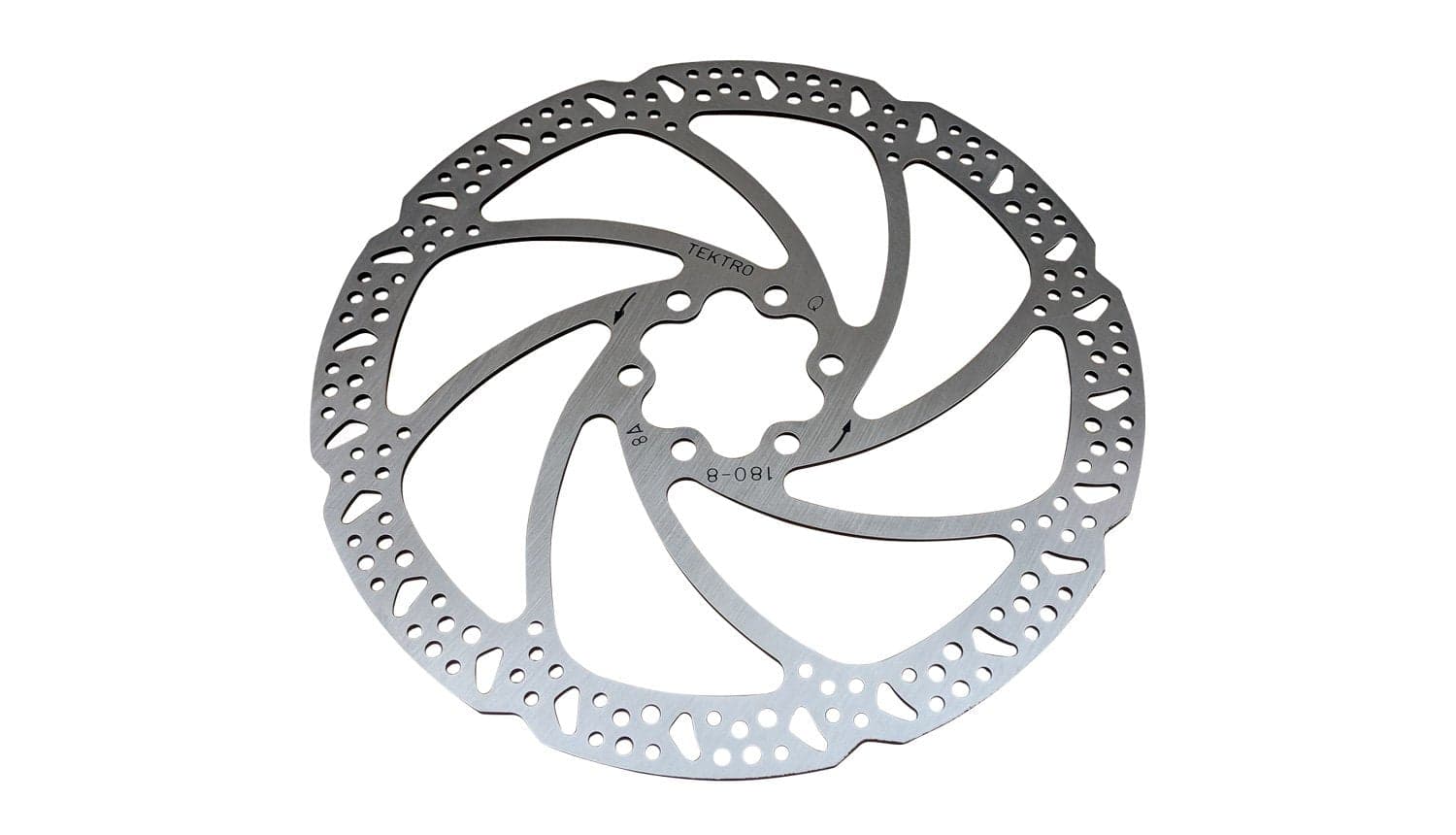
160 mm = light commuter. 180 mm = stock on most eBikes. 203 mm = heavy fat-tire / loaded touring. Bigger rotor = more leverage, more cooling, more stopping power. Constrained by your frame's mount.
Sizing chart ↓Pad compound.
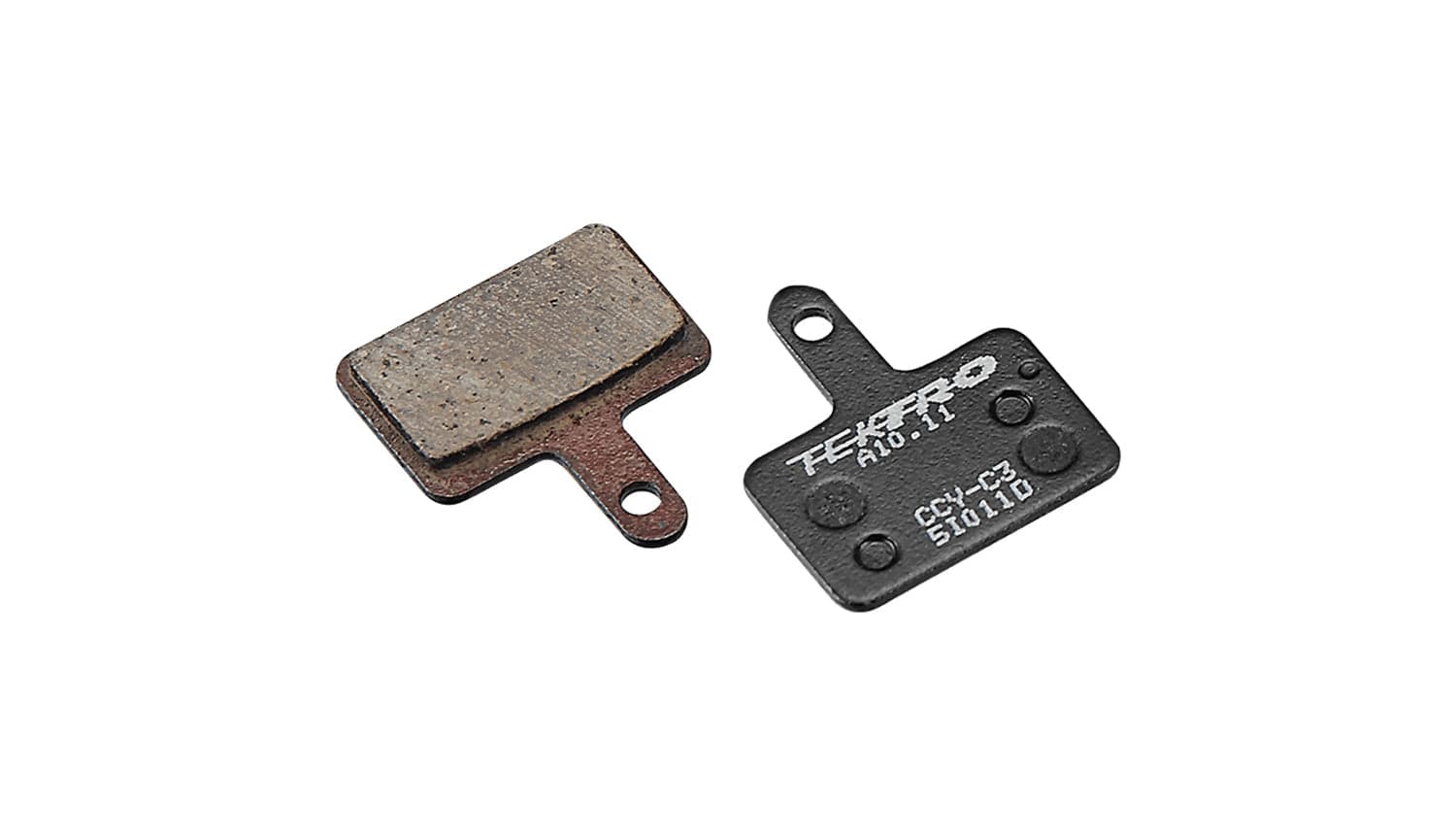
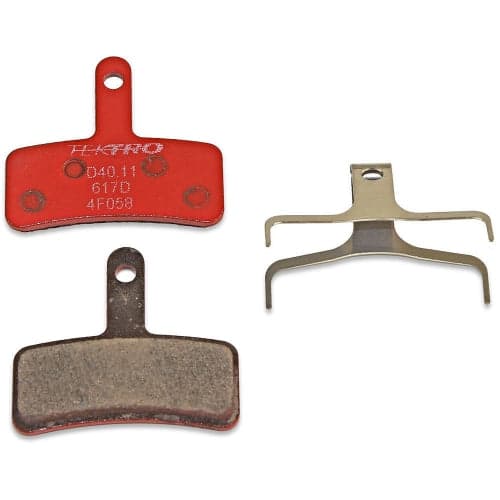
Resin (organic) — quiet, gentle on rotors, fades in heat. Sintered (metallic) — bites hard wet or dry, louder, lasts longer, eats rotors faster. Most eBike riders are happiest on resin.
Compound guide ↓Cut-off sensor pinout.
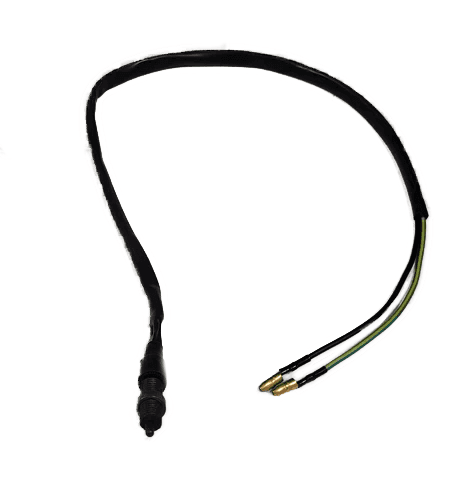
If your bike kills motor power when you brake — that's a cut-off sensor in the lever. Bafang uses 2.5 mm mono jack; some OEMs use Higo. New brake set has to match or you re-wire.
Cut-off reference ↓Tell us your bike — we'll show you the right brake set.
Disc-brake mounts and rotor sizes are bike-specific. Pick your bike below — we'll filter to the brake sets, rotors and pads we know fit, and recommend a set based on how you ride.
Squealing? Brake squeal is 90% contamination or bed-in. We diagnose for free in 5 minutes.
Everything we stock.
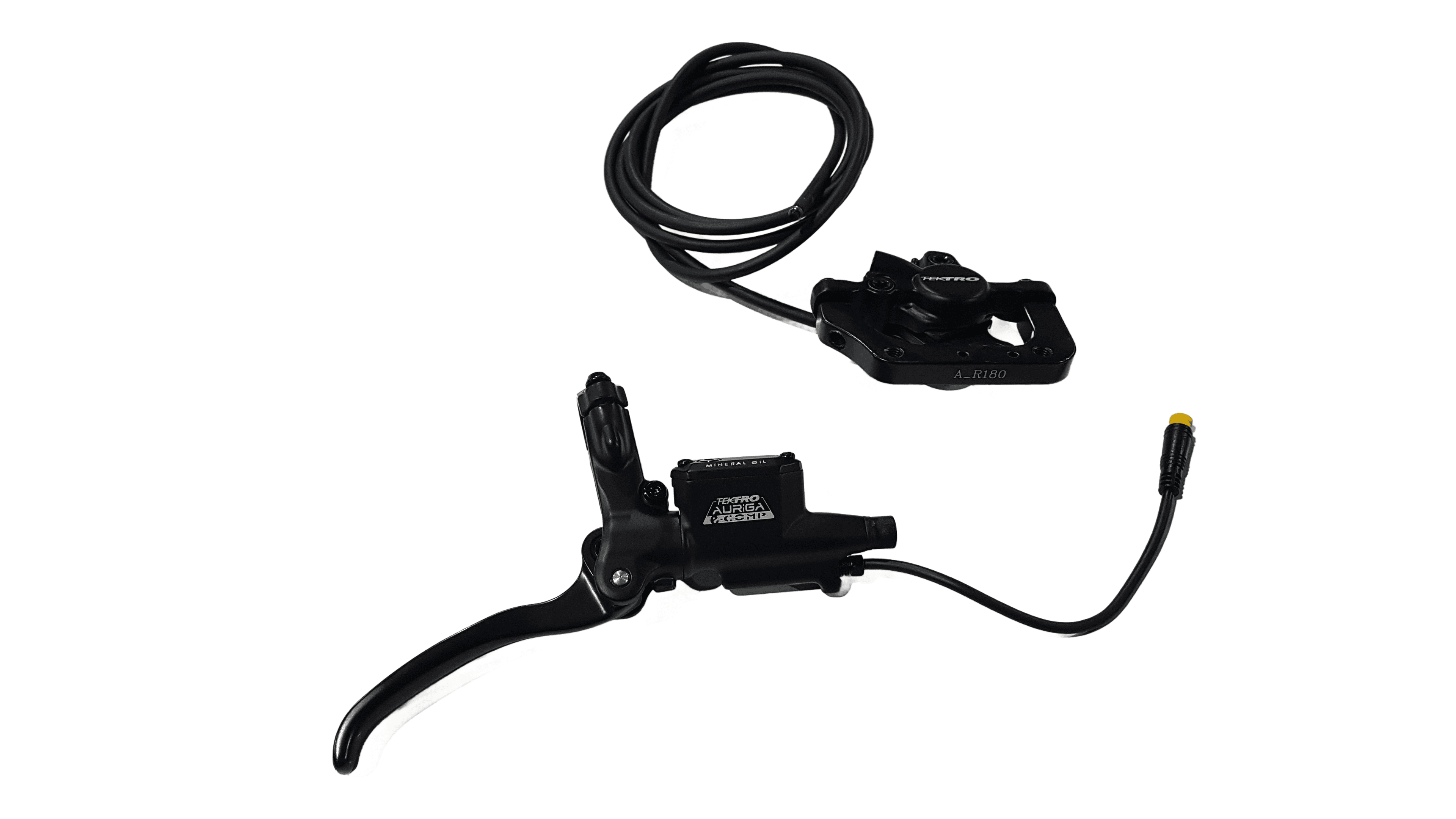
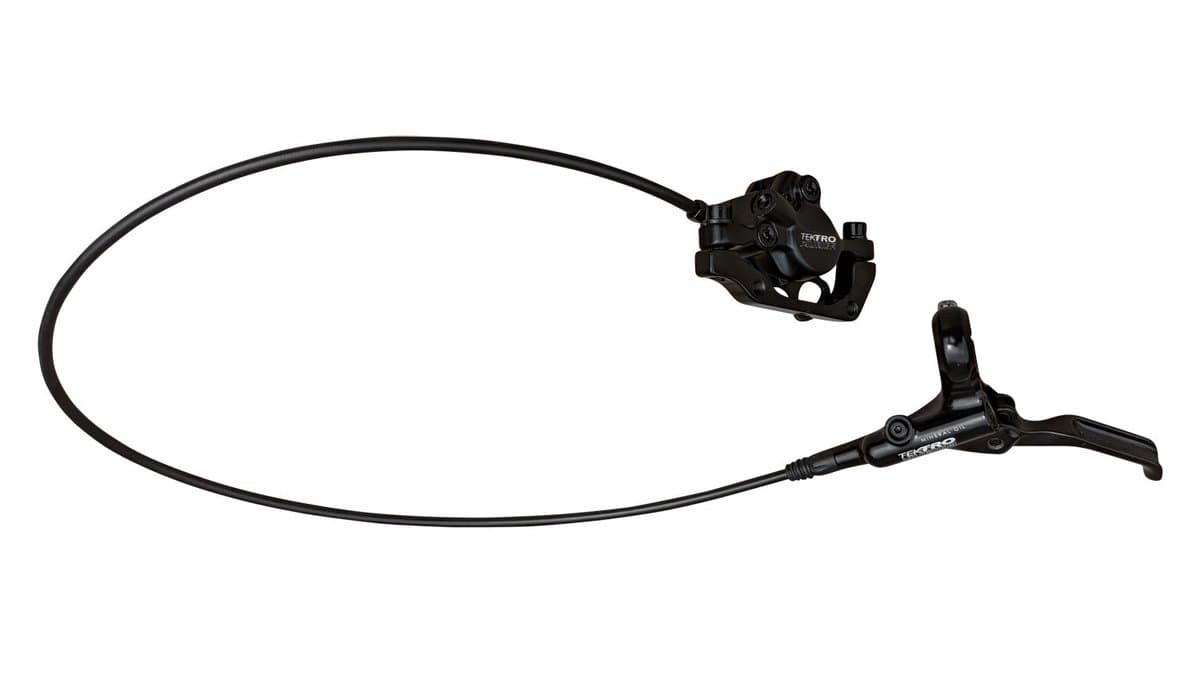
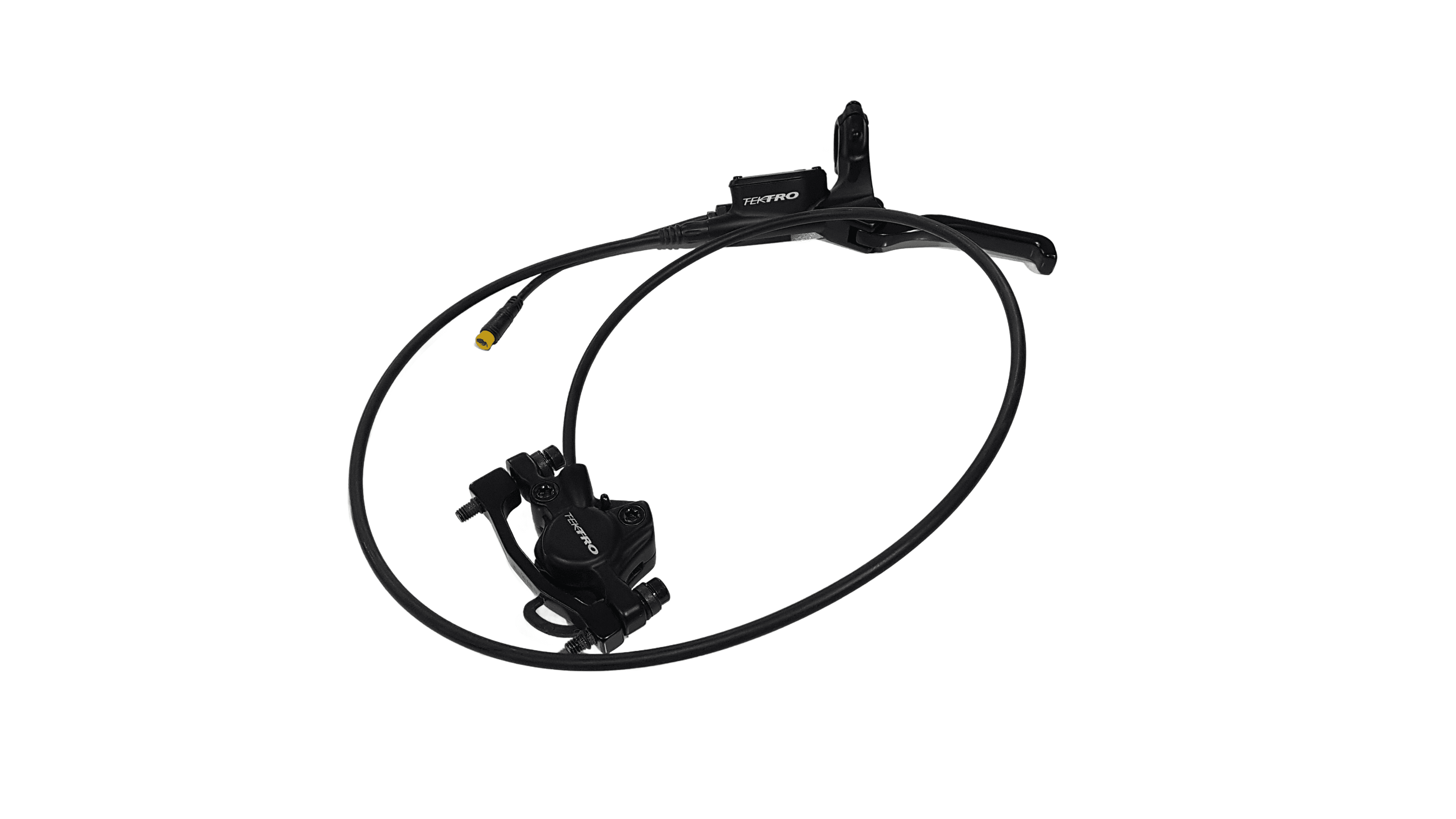
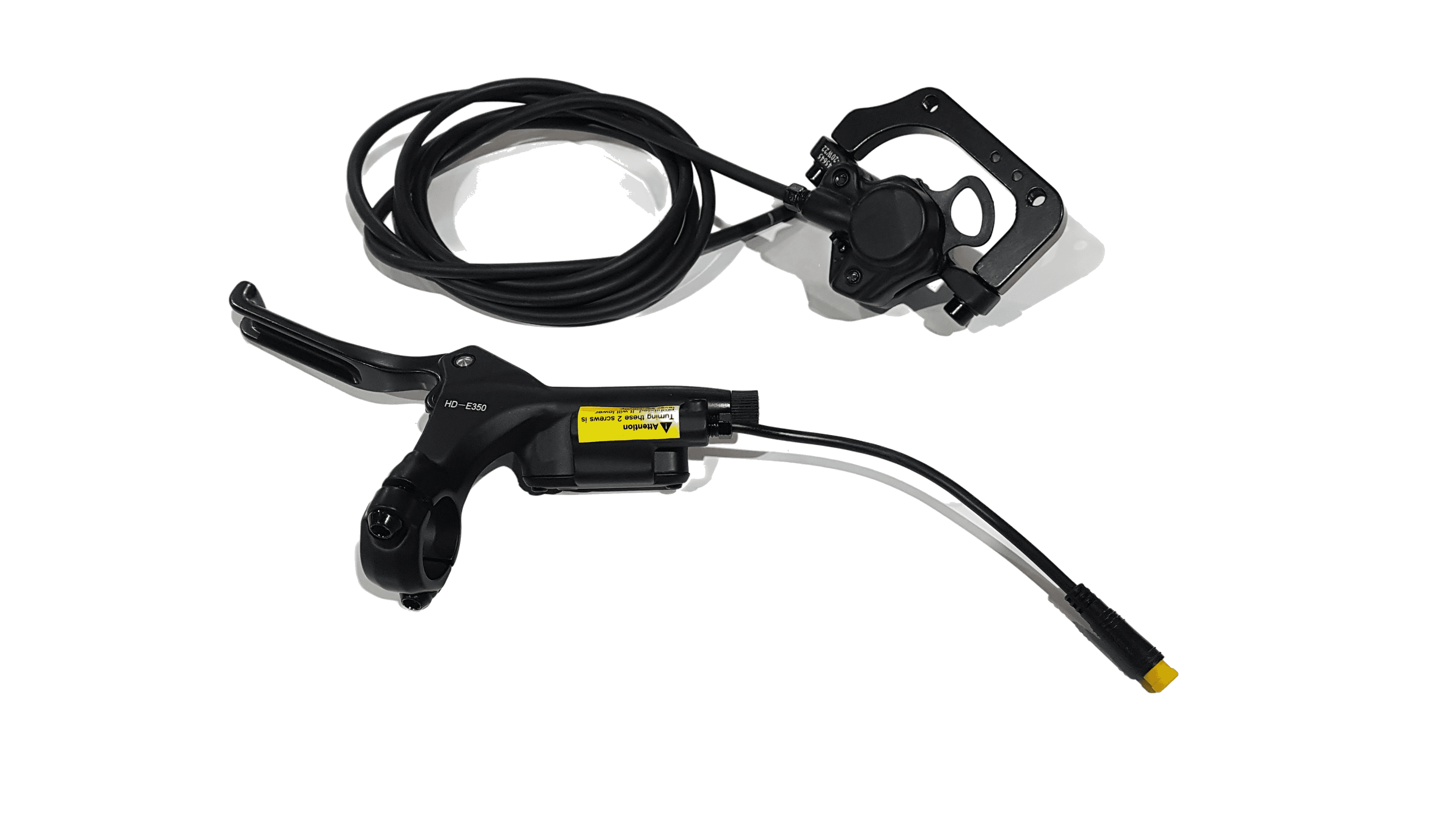
15 SKUs across the collection. Click any cell for full specs, fit notes and install booking.
What we get asked
every week.
Three years of phone calls boiled down. If your question isn't here, text us — we read every message.
- When should I replace brake pads?
- When the pad material is under 1 mm thick. Easiest test: pull the wheel, look down the caliper — if you see metal backing plate touching rotor, you're overdue. Most riders get 2,000–4,000 km from a set; sintered pads on aggressive descents wear faster.
- How often should I bleed hydraulic brakes?
- Mineral-oil systems (Shimano, Tektro, Magura) — every 2 years or when lever feels spongy. DOT systems — every year because DOT absorbs water. Free bleed when you buy a brake set from us; $40 standalone.
- Why are my brakes squealing?
- In order of likelihood: (1) Contamination — chain oil, fork oil, road grime on the rotor. Clean with isopropyl, scuff pads with sandpaper. (2) Bedded-in wrong — needs 20 hard stops from 25 km/h to seat the pads. (3) Glazed pads from heat — sand or replace. If none of those work, bring it in.
- Can I run bigger rotors than stock?
- Usually yes, up to one size up. Frame and fork must have the corresponding mount adapter (40 mm post-mount = 180 mm, 60 mm = 203 mm). Bigger rotor = better stopping and heat dissipation; trade-off is weight and clearance with some racks.
- Resin vs sintered — which?
- For most Calgary riders: resin. They're quieter, gentler on rotors, and modulate better. Sintered wins on wet pavement, sustained descents (Bow Valley downhills), and if you ride heavy-loaded. Sintered also costs about 20% more and shortens rotor life.
- What's a cut-off sensor and do I need it?
- A small magnetic switch in your brake lever that tells the motor to stop applying power when you pull the brake. Most modern eBikes have them stock. Adding one to a bike that doesn't = real safety upgrade for $19 + 15 min of wiring.
Rather we did it?
Free bleed when you buy a brake set. $40 standalone bleed, or $25 per wheel for pad swap with adjustment. Walk-in next-day; same-day if it's a safety issue.
- Free bleed on brake-set orders
- Pad swap + bed-in $25/wheel
- Brake-line shorten + re-bleed $60
- Cut-off sensor install $19+labor