Tires, tubes
& wheels.
Tires, tubes, wheels, and rims for ebikes and scooters.
How to pick the right pack.
A 4-step shortlist that gets you out of the shop with the right battery. Skip steps and you'll be back in a week.
Wheel diameter first.
26", 27.5", 29" or 700c — it's printed on your current tire sidewall (e.g. "26 × 4.0"). The wheel rim is fixed; the tire has to match.
Find it on the sidewall ↓Then width.
Stock width is the safe call. You can usually go +/- 0.2" without rubbing the frame. Fat-tire frames take anywhere 3.0–4.8". Check fork clearance before going wider.
Width chart ↓Match tread to your route.
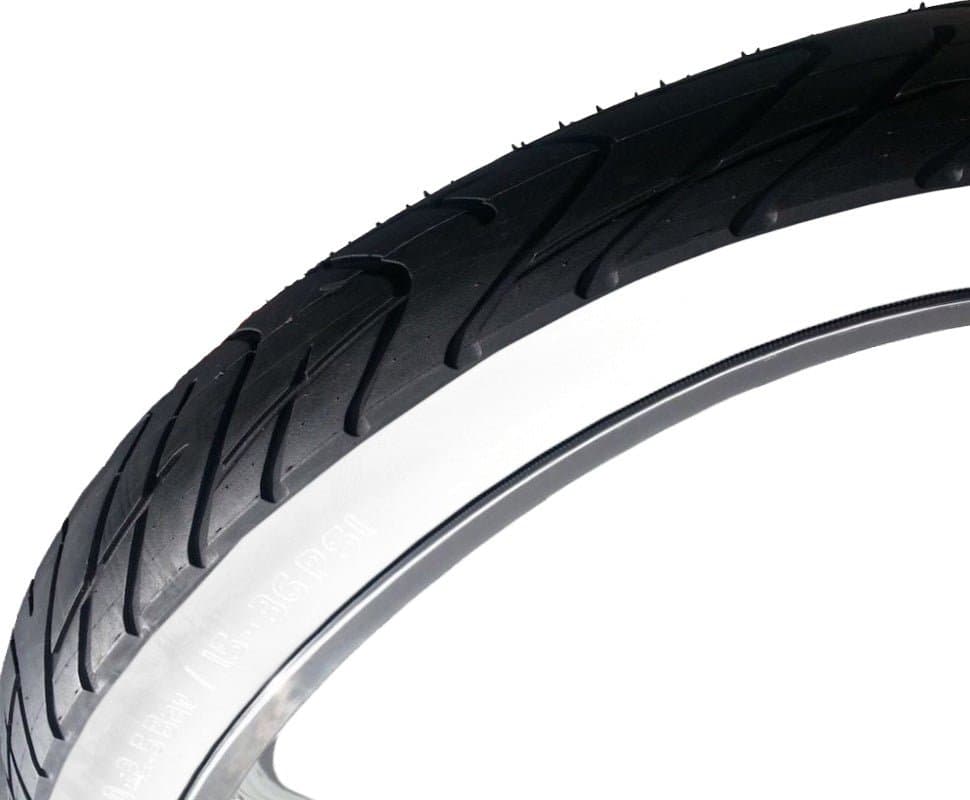
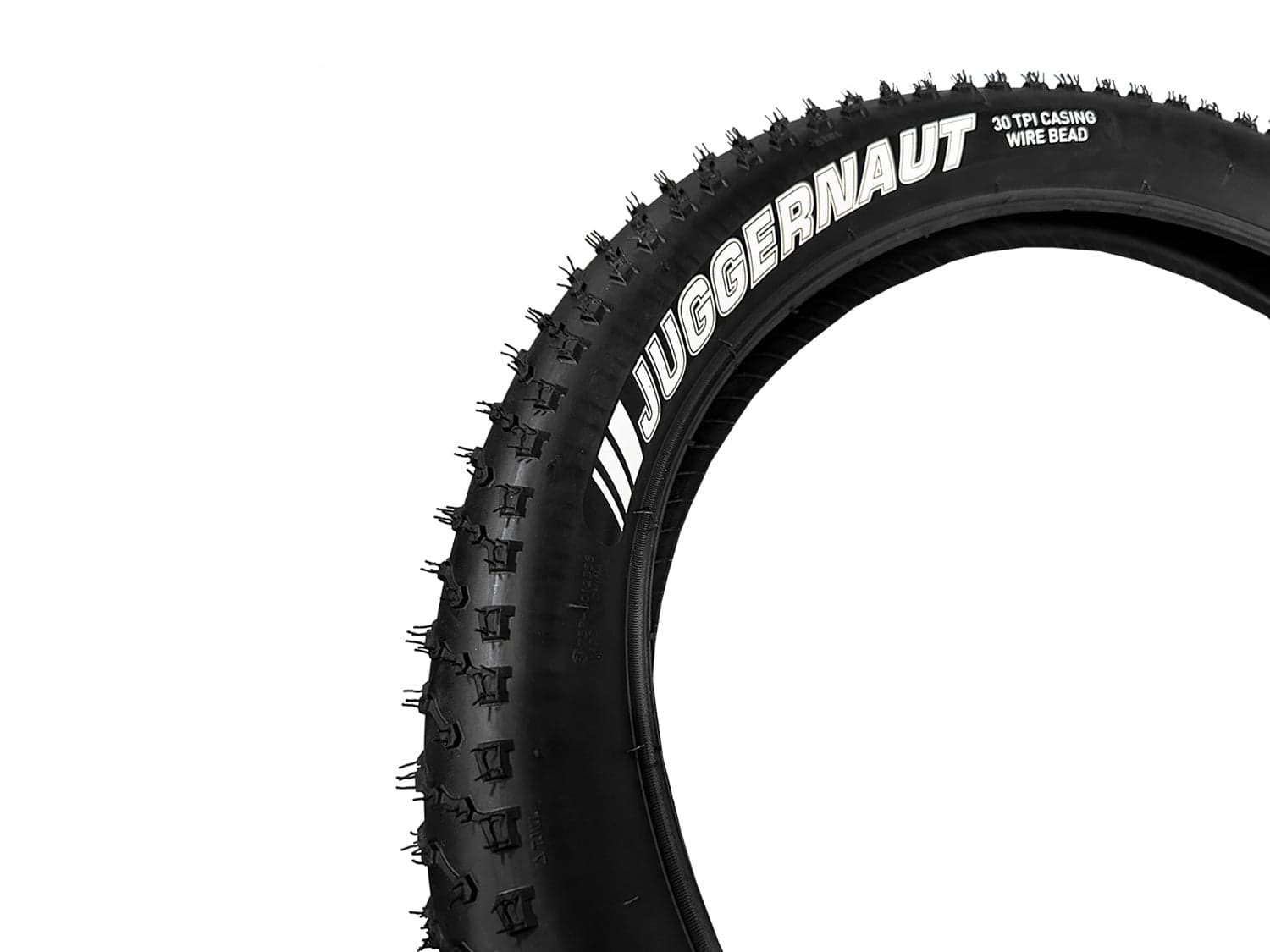
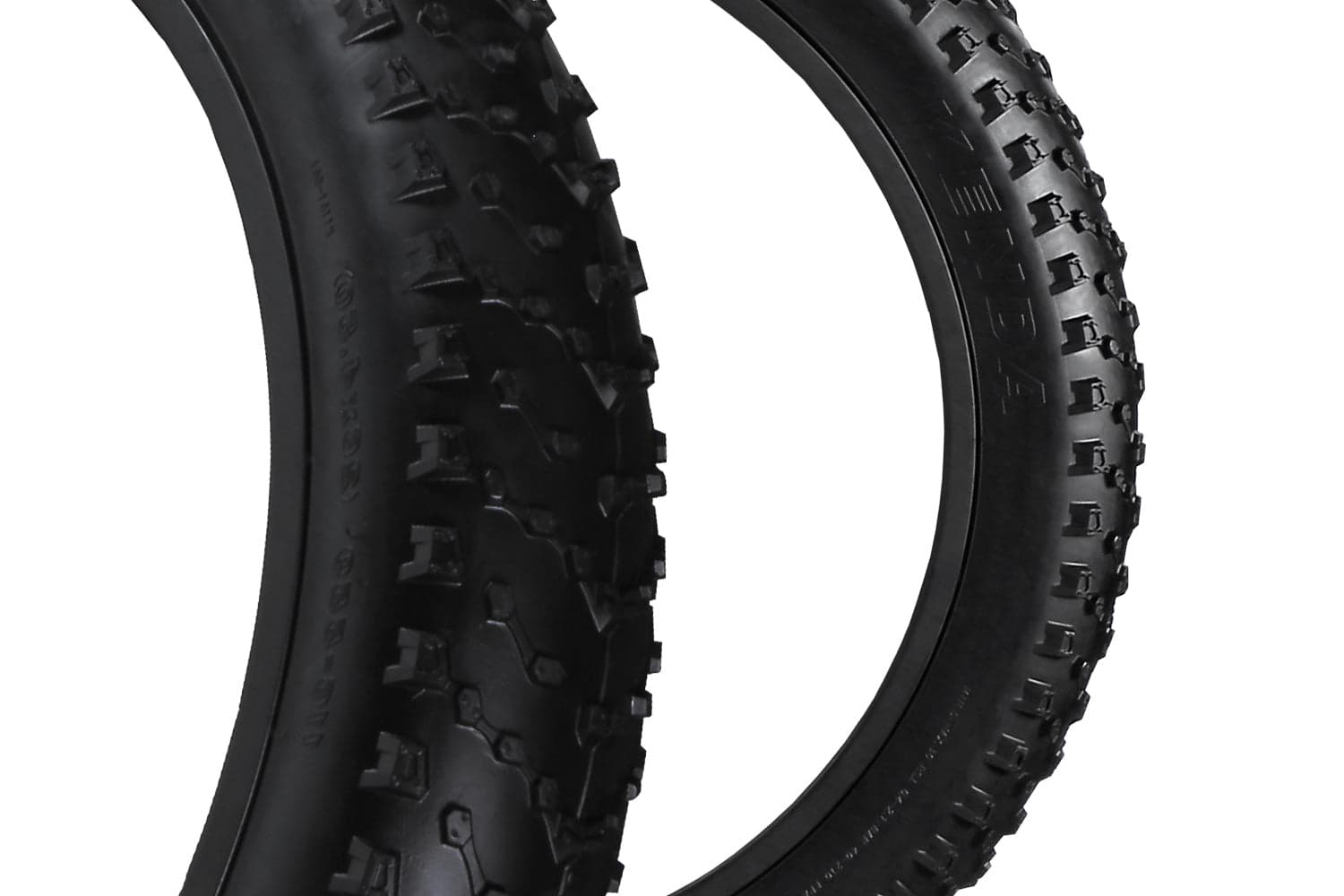
Mostly pavement = smooth, fast-rolling. Mixed gravel + paths = light tread. Snow + frozen ruts = studs or aggressive knobs. Trail = full knobby with sidewall protection.
Compare treads ↓Tubeless? Optional.
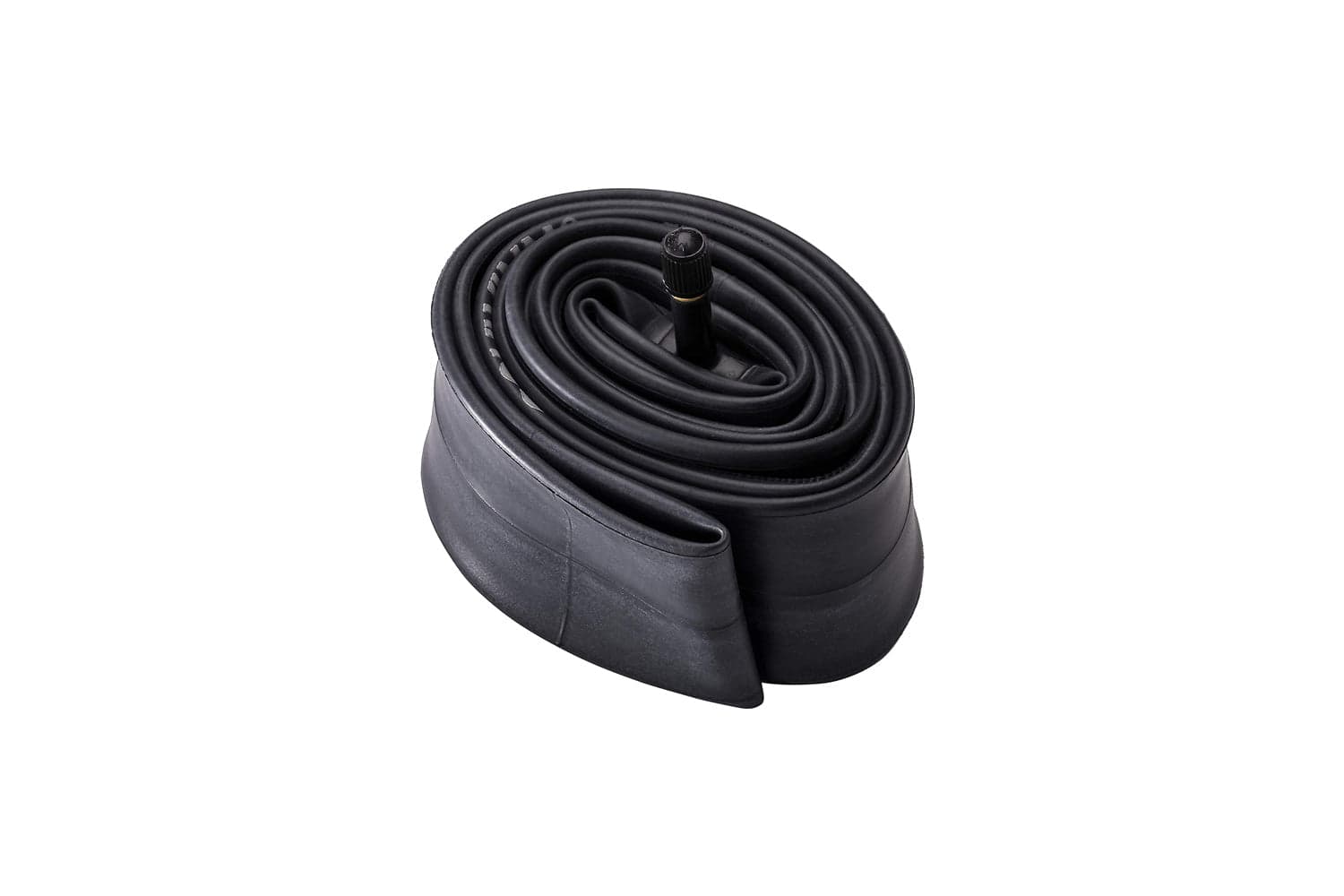
Tubeless lets you run lower pressure (more grip), can self-seal small punctures, but needs a TR-ready rim and sealant. We can convert most factory wheels for $60. Or just run tubes — they're $12.
Tubeless setup ↓Tell us your bike — we'll show you what fits.
Wheel size and tire width have to match what's already on the bike (or what your frame can clear). Pick your bike and the kind of riding you do; we'll filter to only the tires we know fit, plus a recommendation.
Not on the list? Bring your bike in — we measure rim, tire and fork clearance in 5 minutes.
Everything we stock.
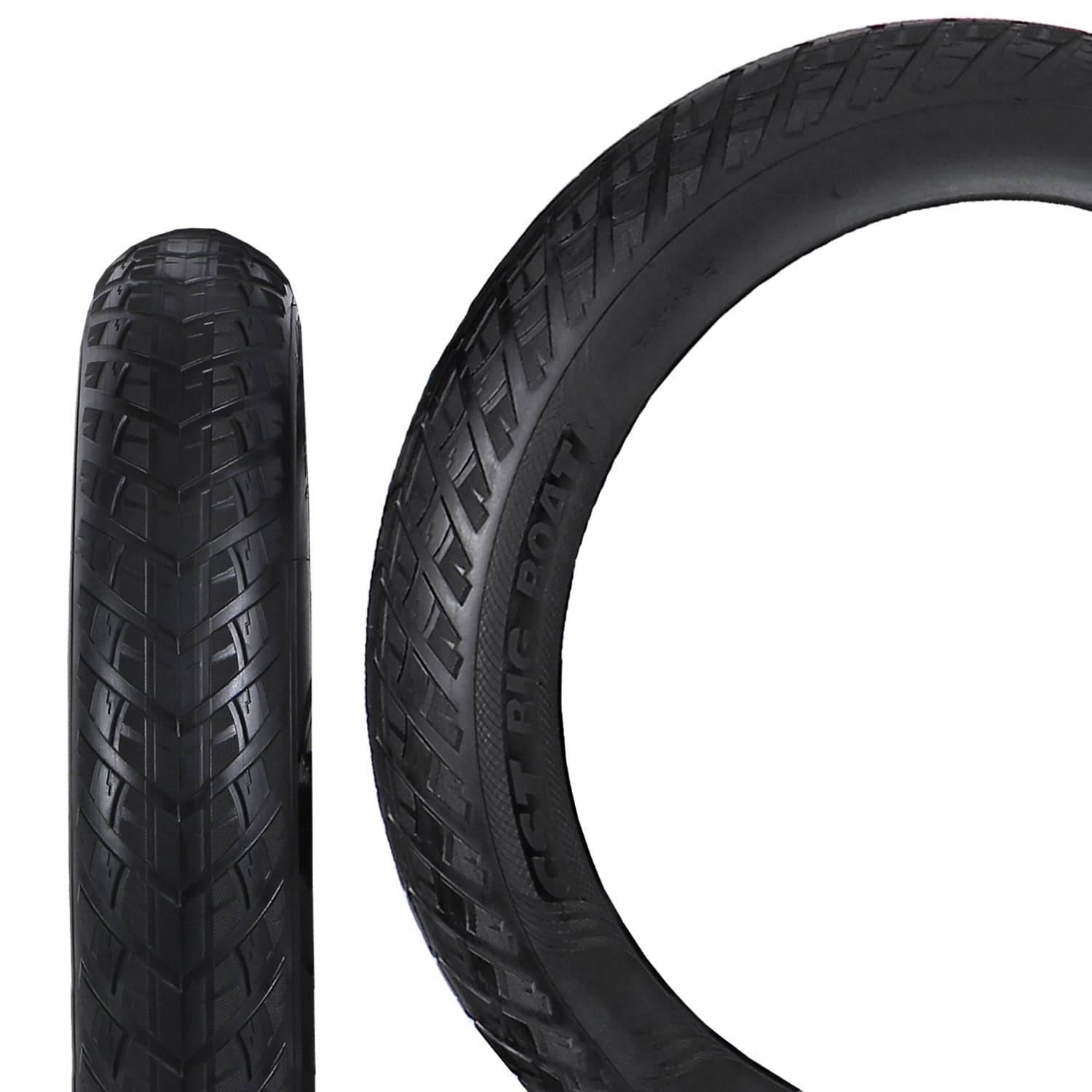
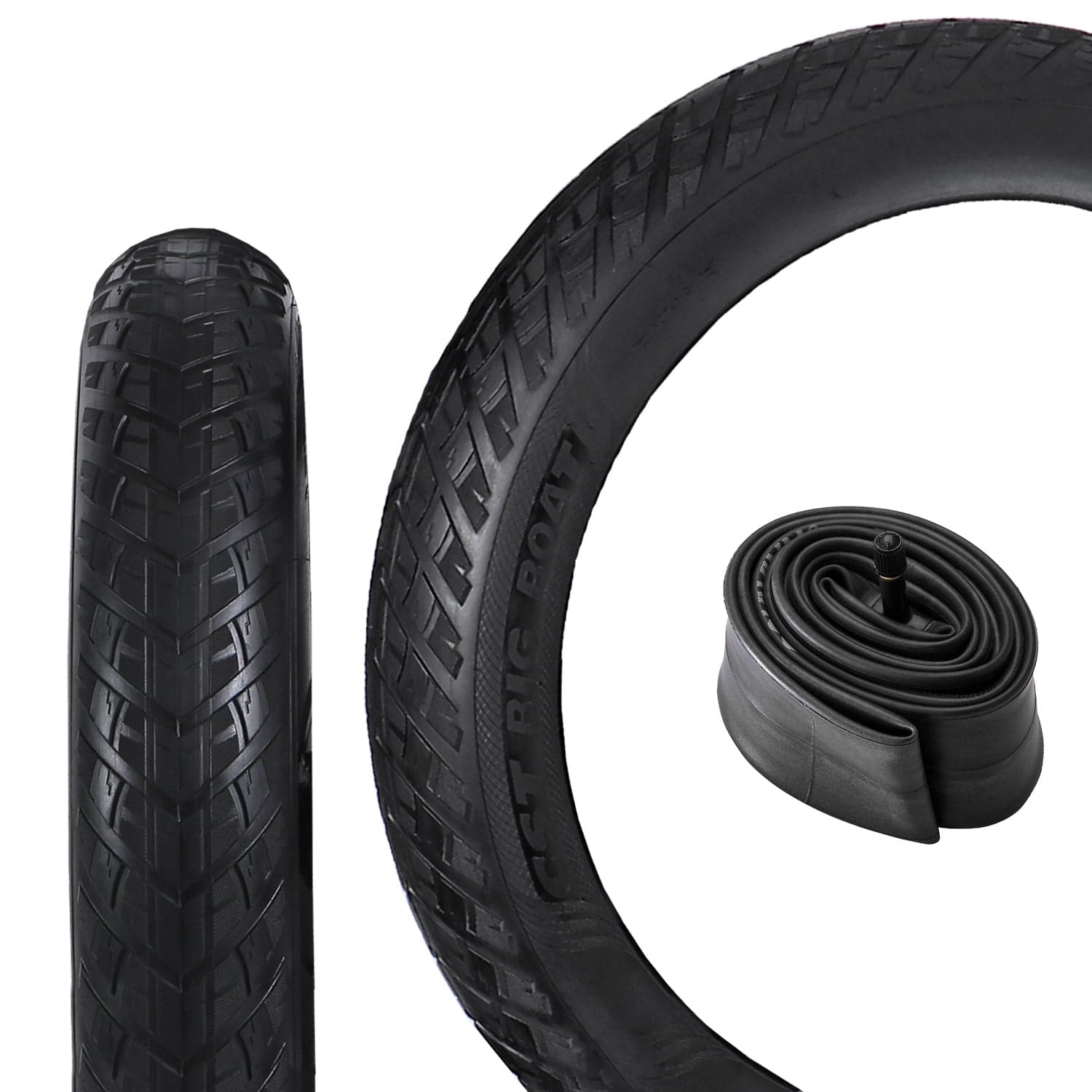
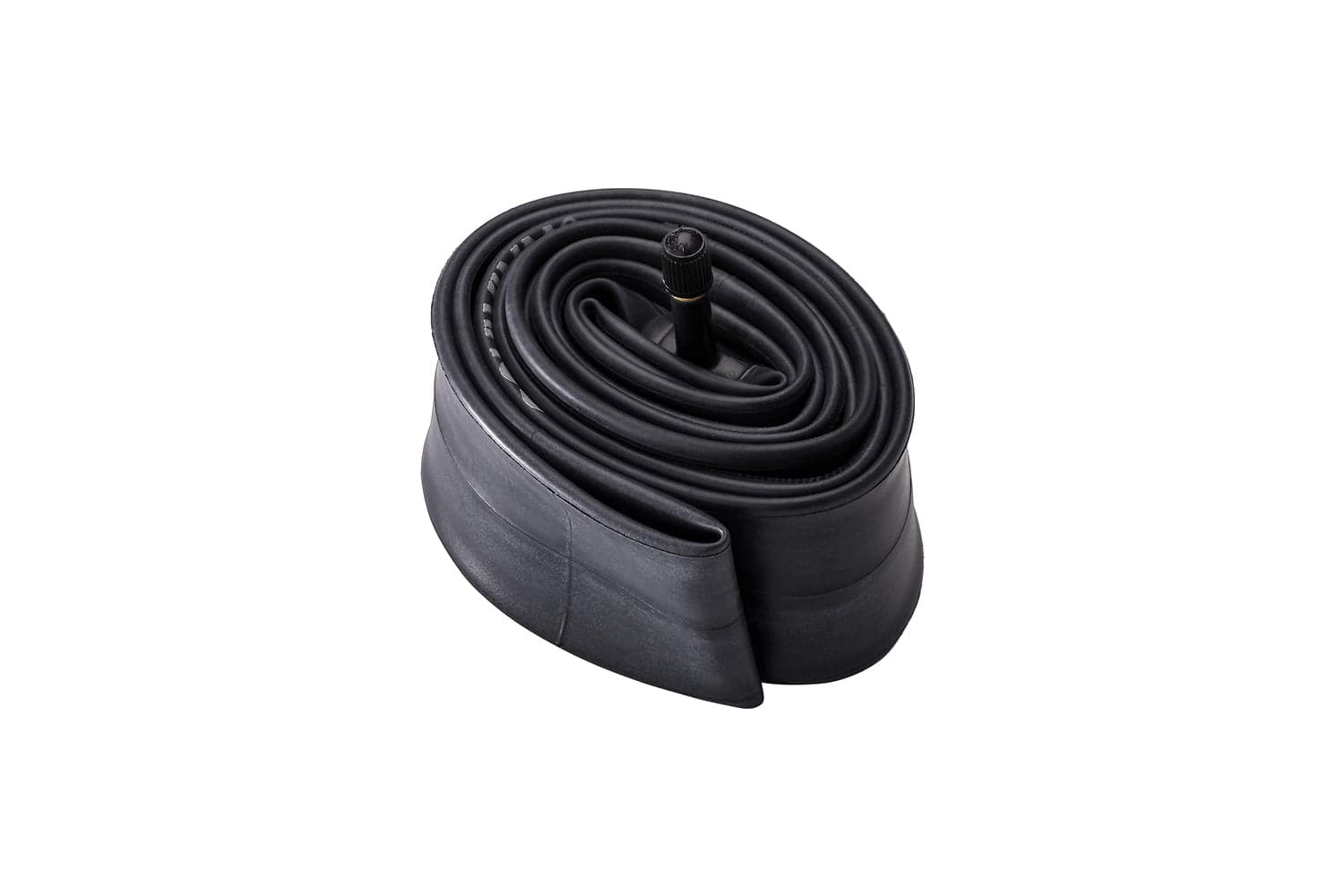
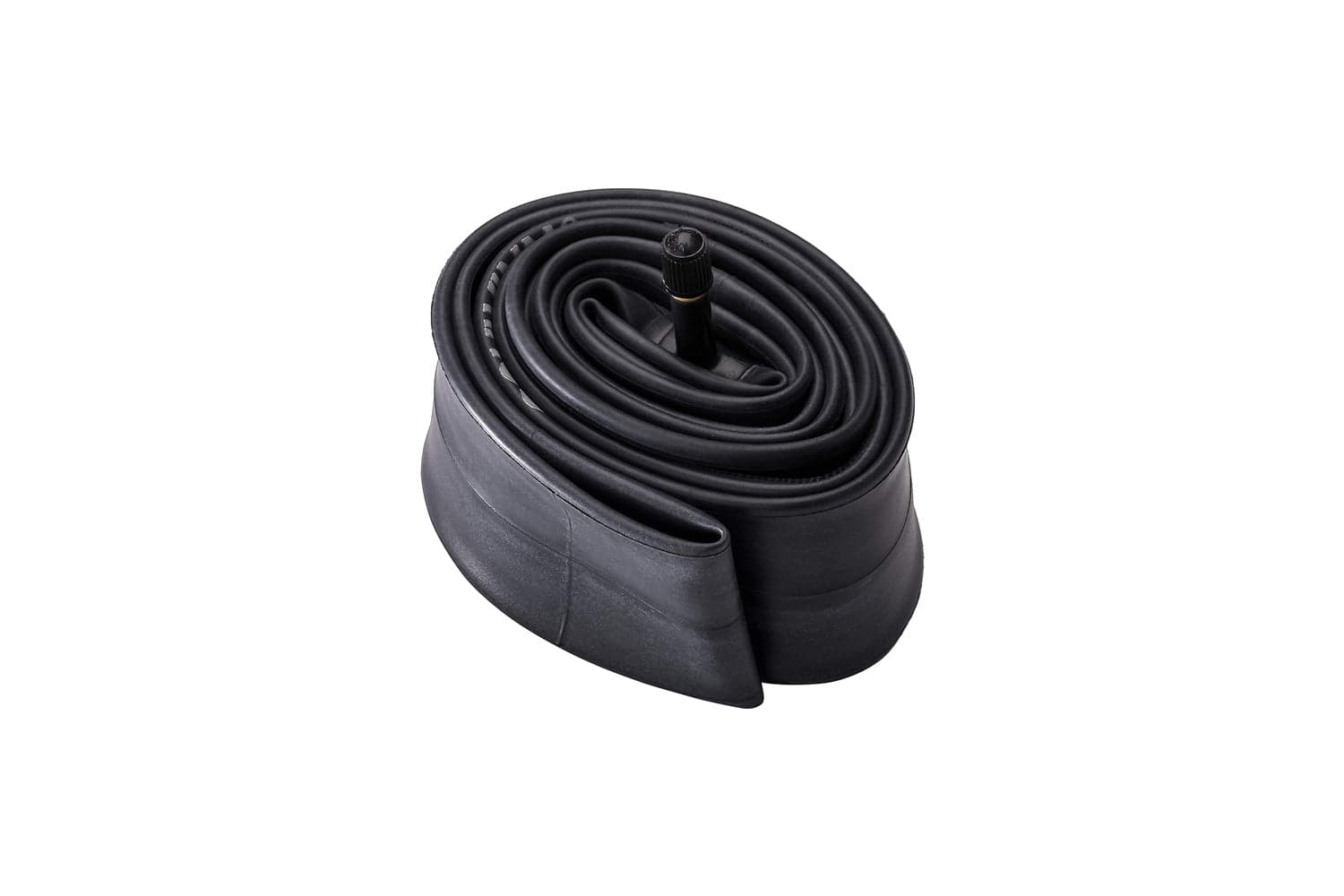
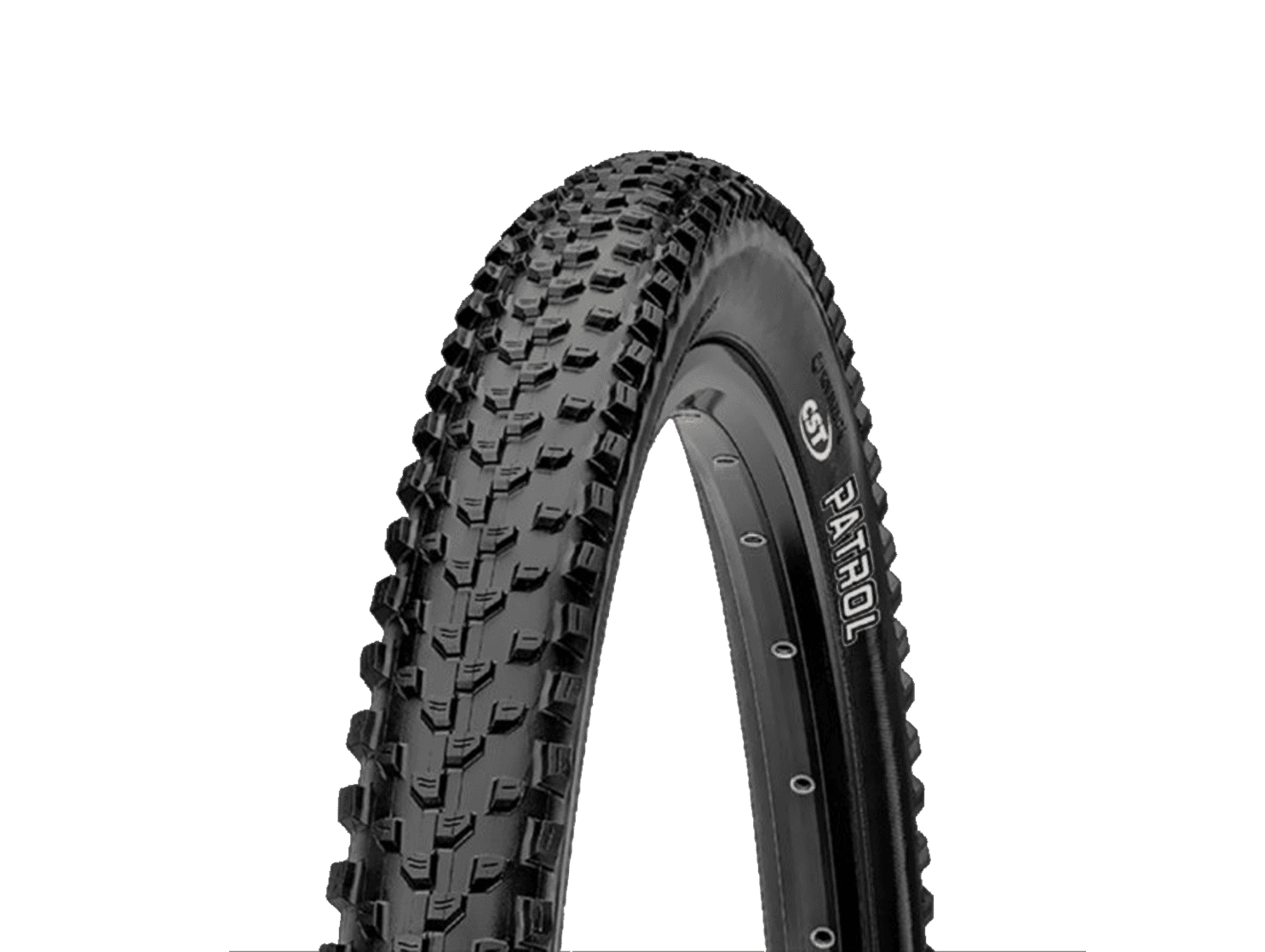
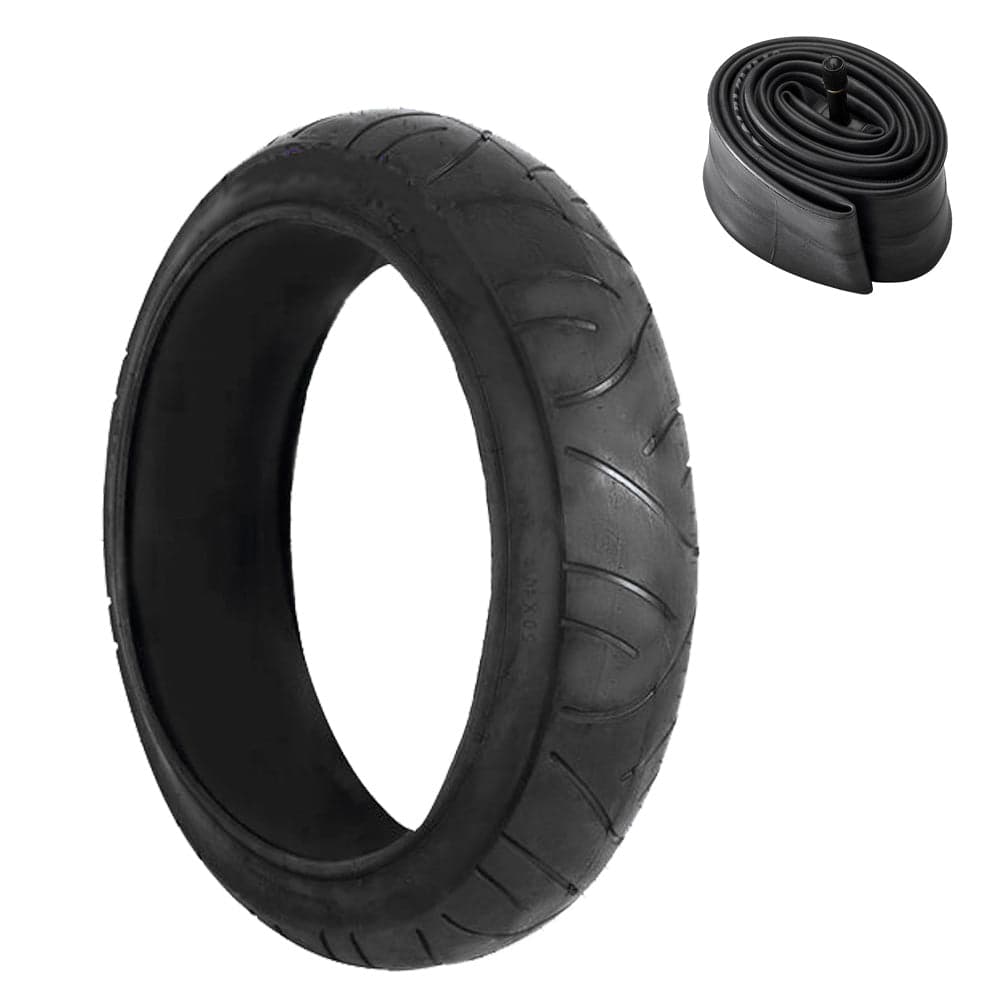
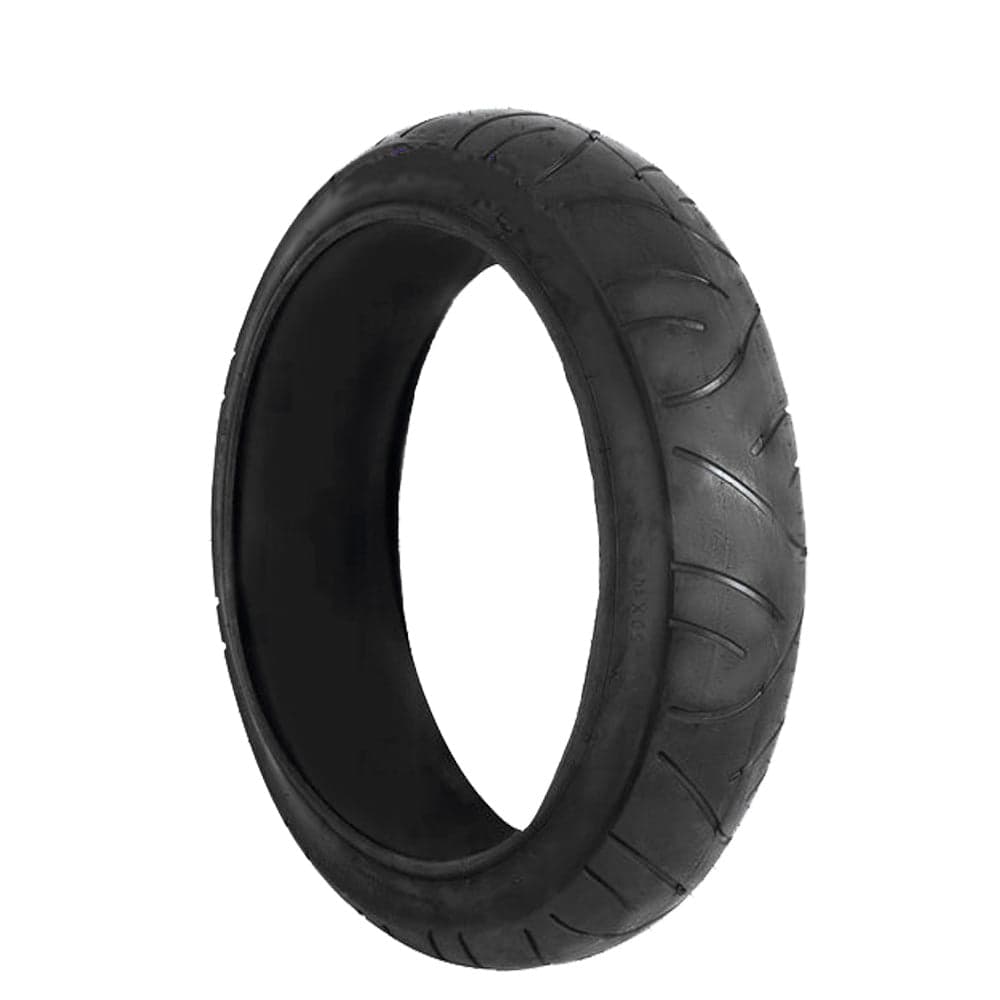
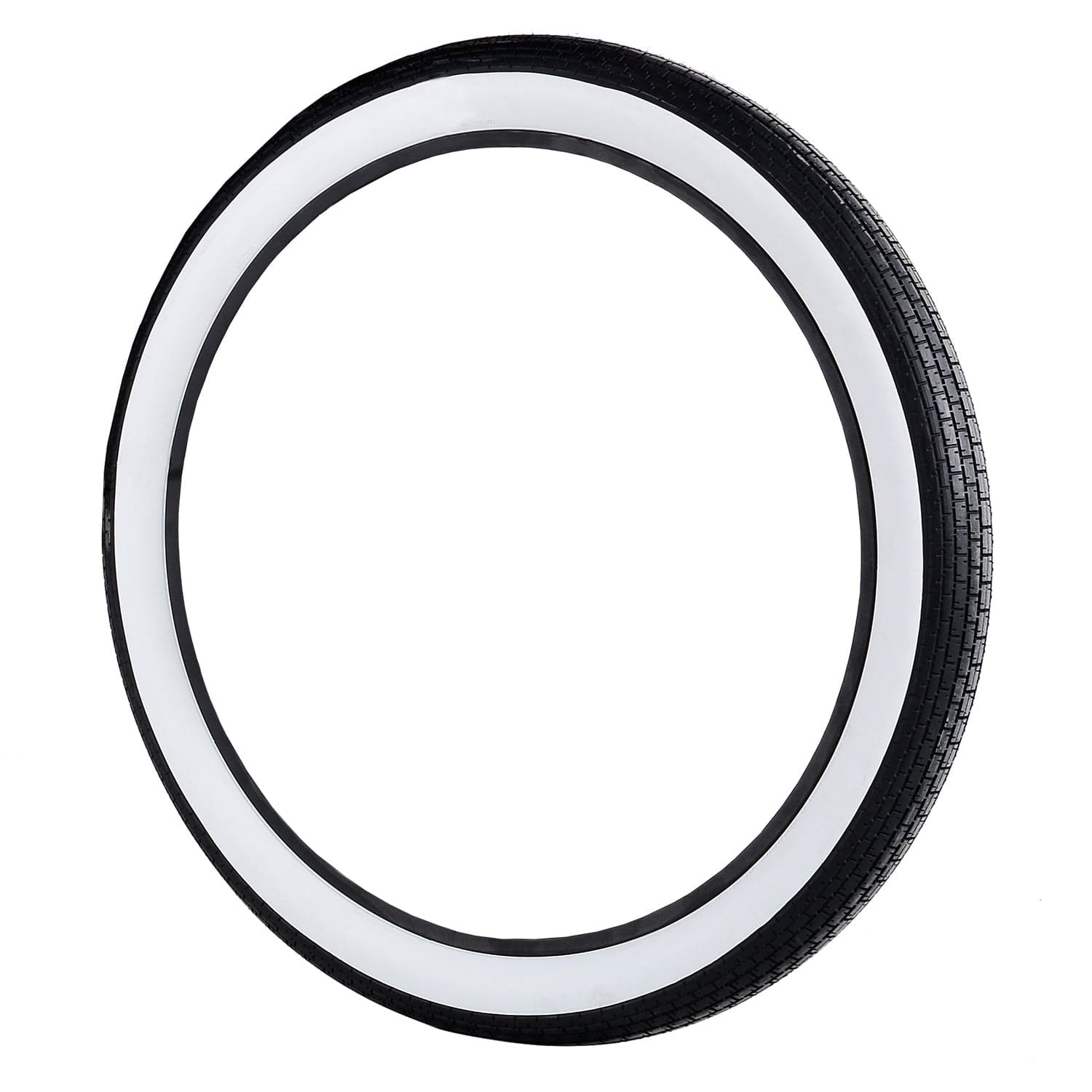
52 SKUs across the collection. Click any cell for full specs, fit notes and install booking.

What we get asked
every week.
Three years of phone calls boiled down. If your question isn't here, text us — we read every message.
- How do I know what size tire to buy?
- Look at the sidewall of your current tire — it's printed there in two formats. Imperial reads "26 × 4.0" (diameter × width). Metric ISO reads "100-559" (width in mm – rim bead-seat diameter). Match the first number exactly; the second can flex ±0.2" usually.
- Are studded tires worth it?
- For Calgary winters, yes — on glare ice or packed snow they're transformative. Carbide studs grip what knobbies skate across. The trade-off is noise (a buzzy hum on pavement) and weight (about 250 g extra per tire). Swap them off in April and you barely notice.
- Tubes vs tubeless — what should I run?
- If you're commuting on pavement, tubes are fine and dead simple. Tubeless wins when you run low pressures (fat-tire, gravel, trail) because it eliminates pinch flats and self-seals small punctures. Setup is more work; rim has to be TR-ready or converted.
- How long should a tire last?
- 3,000–6,000 km for a quality eBike tire. Hub-drive bikes wear the rear tire twice as fast as the front. Watch for visible casing through the tread or sidewall cracking — both mean it's time. We rotate front-to-back at 1,500 km to even it out.
- Do you mount tires for free?
- Free mount when you buy the tire and a fresh tube from us. $25 per wheel if you bring your own rubber. Tubeless setup is $30 per wheel including sealant. Walk-ins welcome but tire bench has a 24-hour queue most weeks.
- What's the difference between Maxxis EXO and EXO+?
- EXO is sidewall protection — a denser woven fabric that resists cuts and abrasion. EXO+ adds a layer of butyl rubber under the tread for puncture protection without much weight penalty. EXO+ runs $15-30 more and is worth it on rocky trails.
Rather we did it?
Free mount when you buy the tire and tube from us. We balance, bed in the bead, set your weight-appropriate PSI, and check for sidewall flat spots while you're here. Walk-ins welcome but the tire bench usually has a 24-hour queue.
- Free mount on tire + tube
- Tubeless conversion ($60)
- Stud-tire seasonal swap